
Histories of Faith and Form
On a new overseas study program to South Korea and Japan, students use the lenses of religion and art to explore questions of cultural identity.

The summit of Mount Namsan demanded a steep price—a grueling slog up a winding forest trail in South Korea’s Gyeongsang Province.
Led by Professors Dawn Odell and Jessica Starling, the 16-student group was deep into its exploration of the religion and art history of Asia as part of L&C’s overseas study program to South Korea and Japan. The seven-week adventure this past summer marked the program’s debut, joining dozens of study-abroad offerings by the college across the world.
The hike to the Chilbulam (translation: “Seven Buddhas”) Hermitage was one of the highlights of the program. Reaching the end of the trail, the group marveled at the intricate images carved into the mountainside. Made in the 8th century CE, the statues were rediscovered in the 1930s, after which a modern temple was built on-site. The students were among the few visitors that day as a group of Buddhist nuns chanted sutras as part of a prayer service.
“Of course, we’d already seen pictures of the site,” says Anli Davis BA ’26, a biochemistry and molecular biology major from Portland. “Then, as soon we got there, we were all just in awe of how big and beautiful the statues were, how special and sacred the place felt.”
That sense of awe was precisely what the group’s faculty leaders were striving for.
“Young people in 2025 live in a stressful and challenging world, where their day-to-day lives are often mediated by algorithms,” says Starling, a professor of religious studies who specializes in Buddhism. “Giving students the chance to navigate a new place, try new things, and connect with people unlike themselves can be a rich learning experience. It’s a lot like that hike up the mountain—you may be sweaty and stressed out on the way up, but great rewards await once you reach the top.”
The students took their time exploring the Buddhas on the mountainside and were getting ready to head back down when a smiling nun in gray robes chased them down to urge them to stay. They couldn’t leave without seeing the best part, she insisted, offering to lead them farther. After a tricky uphill hike, the group encountered the most stunning rock carving of them all: Avalokitesvara, a popular bodhisattva (an enlightened being in Buddhist teaching), depicted wearing a crown and carrying a lotus flower while sitting on a cloud.
“The bodhisattva looked down on this beautiful valley, which framed our own view of the figure,” says Carolyn Mayberry BA ’27, a mathematics major from Los Angeles. “Part of what made it so meaningful was that you had to work to get to this special place. I’m not particularly religious, but you could see why so many people experience a spiritual connection there.”
‘Many Paths Through History’
Starling and Odell, a professor of Chinese and a professor of European art history, respectively, conceived the program during casual conversations as they took walks together during the COVID-19 pandemic. Although they specialize in separate academic areas, their research interests intersect. Friends as well as colleagues, they designed an interdisciplinary study program in religion and art.
They wanted the program to explore cross-cultural questions of culture and identity between nations that share a fraught history. They were especially interested in the ways religion and religious art evolved over centuries of communion as well as conflict. And they wanted to explore the historical connections between Buddhism, Daoism, and Confucianism.
“We were given freedom to design a program that asked some really big questions,” says Odell. “We wanted our students to gain a critical perspective on the region’s complicated history. There are many different stories to be told about the past, and many paths through history.”
“We felt we could leverage our connections and our field experiences to give students a sense of the interconnections between the cultural and political histories of Korea and Japan,” says Starling. “We were really excited about the prospect of this collaboration because we felt we could learn a lot from each other and create something memorable for our students.”
The professors applied for and received a grant from the college’s Korean Study Grant Fund to travel to the region in summer 2024 to lay the groundwork for the excursion, which, unlike most of L&C’s overseas study programs, would take place in summer rather than during the school year.
Once the program was announced, students were eager to apply. In keeping with the interdisciplinary ethos of the program, the professors cast a wide net. “We chose a variety of students in terms of majors, background, and reasons for wanting to go,” says Odell.
The range of student backgrounds made for rich class discussions. “We wanted to make the academics robust but still accessible to students from different majors,” says Starling.
Classes and Field Trips
The schedule was split between South Korea and Japan, with stops in major cities such as Seoul and Kyoto and several UNESCO World Heritage sites, as well as places somewhat less traveled.
Every week the students spent two days taking classes: 1) Arts of Korea and Japan: The Politics of Collection and Display, examining how artwork is presented in situ and in museums; 2) Religions of Korea and Japan; and 3) Experiencing Heritage in Korea and Japan, where they could participate in experiential activities ranging from meditation to calligraphy.
Two to three days of each week were devoted to field trips that complemented—in intriguing, enlightening, and sometimes surprising ways—what they were learning in the classroom.
-
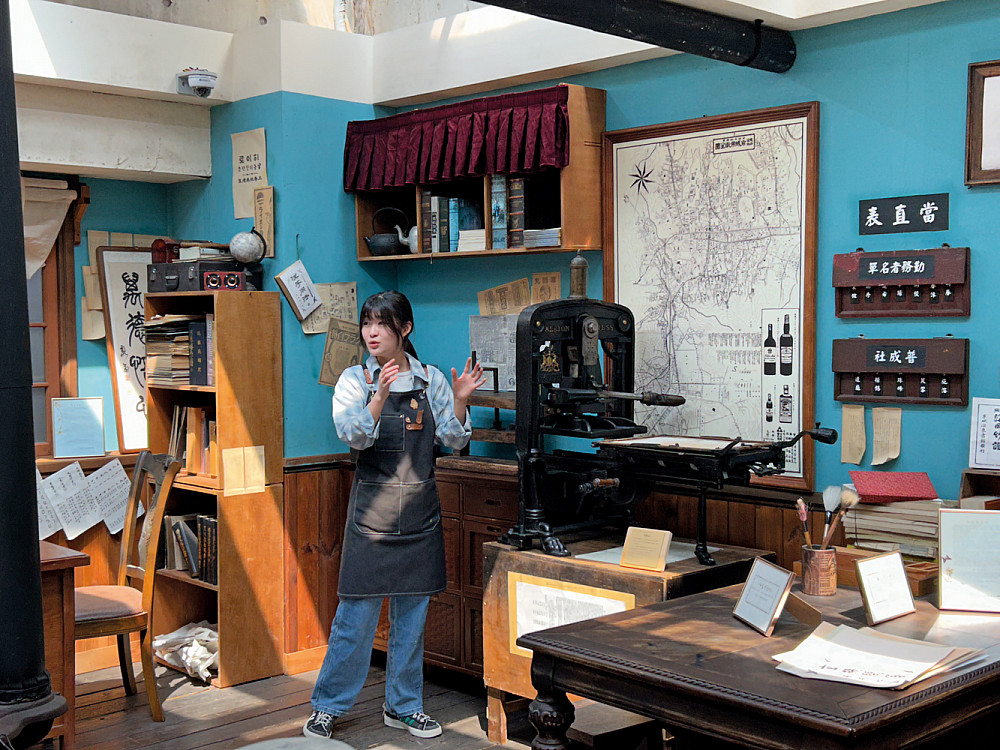 A tour guide describes a printing press at the Book City Letterpress Museum.
 -
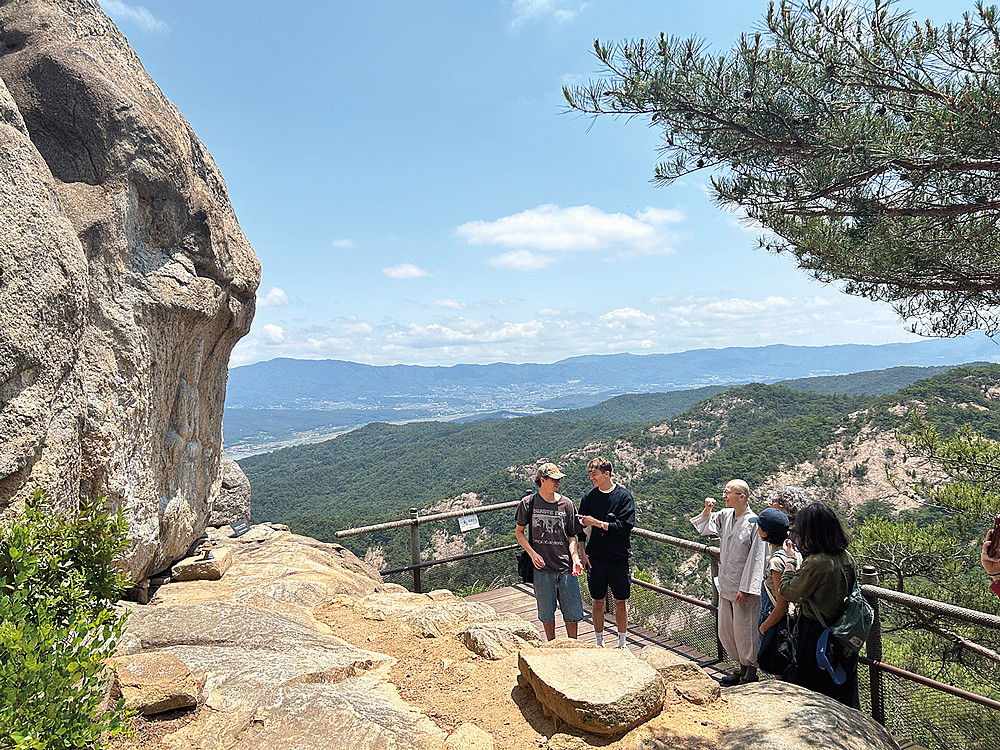 Elliot Deleger BA ’26, Declan Cloutier BA ’26, and Leah Marquez BA ’26 with a Buddhist nun from the Czech Republic at Chilburam Hermitage, Gyeongju, South Korea.
 -
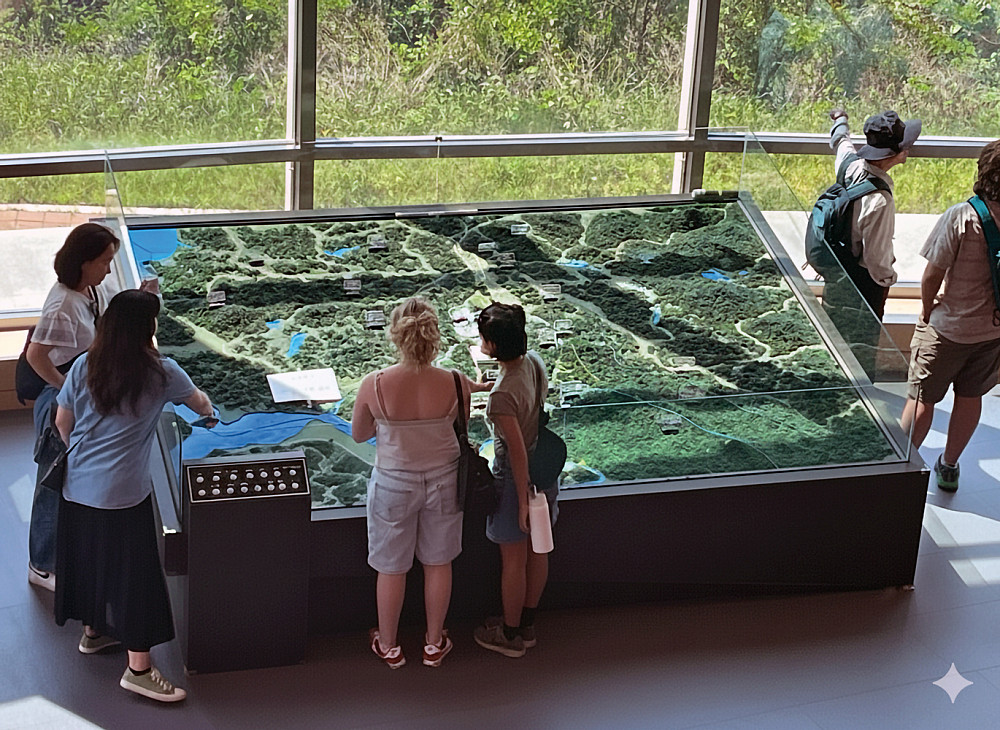 L&C students study a map at the Demilitarized Zone between North and South Korea.
 -
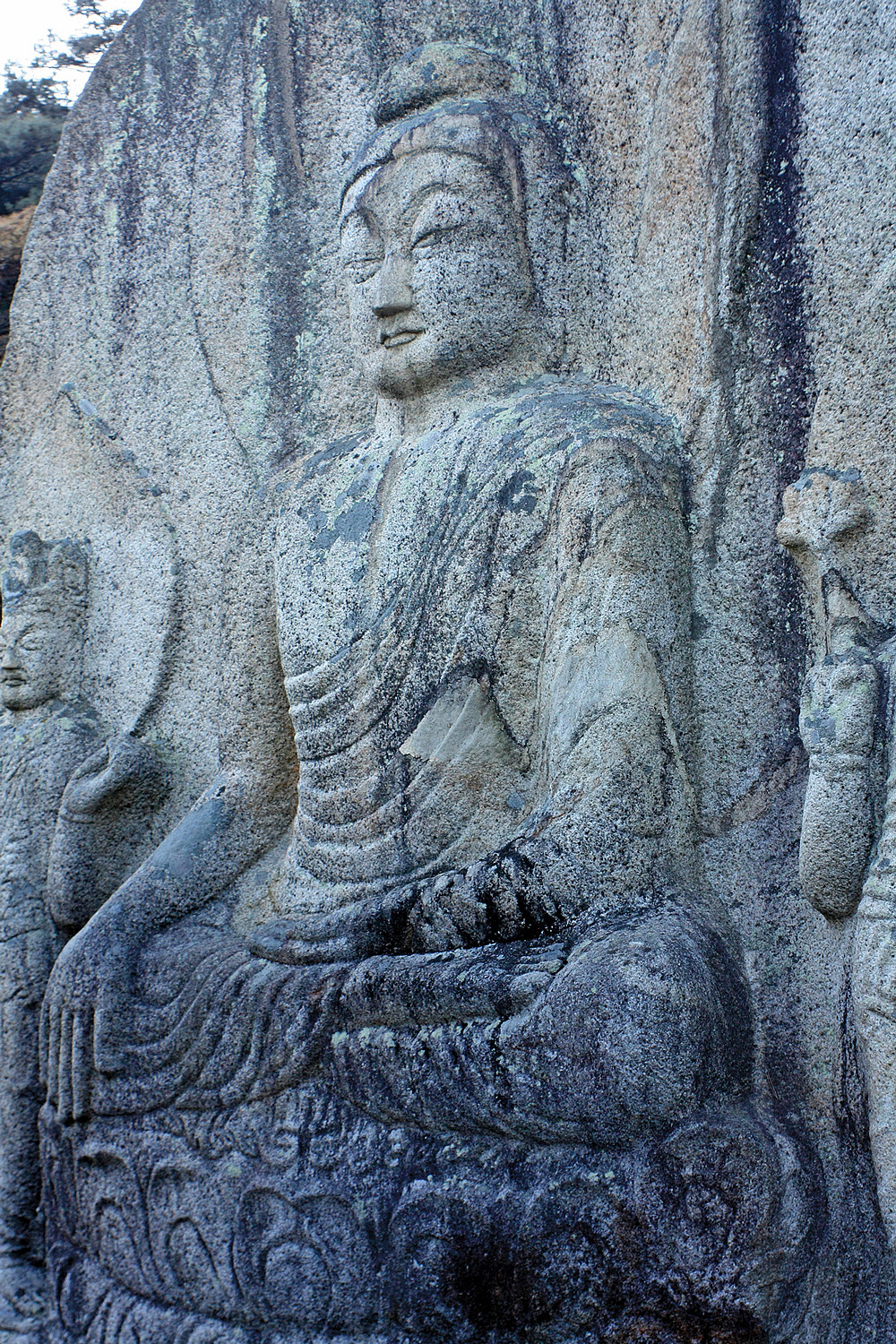 Rock-carved Buddha, 9th–10th century, Chilburam Hermitage, Gyeongju, South Korea. (Credit: Eggmoon/Wikipedia)Credit: Eggmoon/Wikipedia
 -
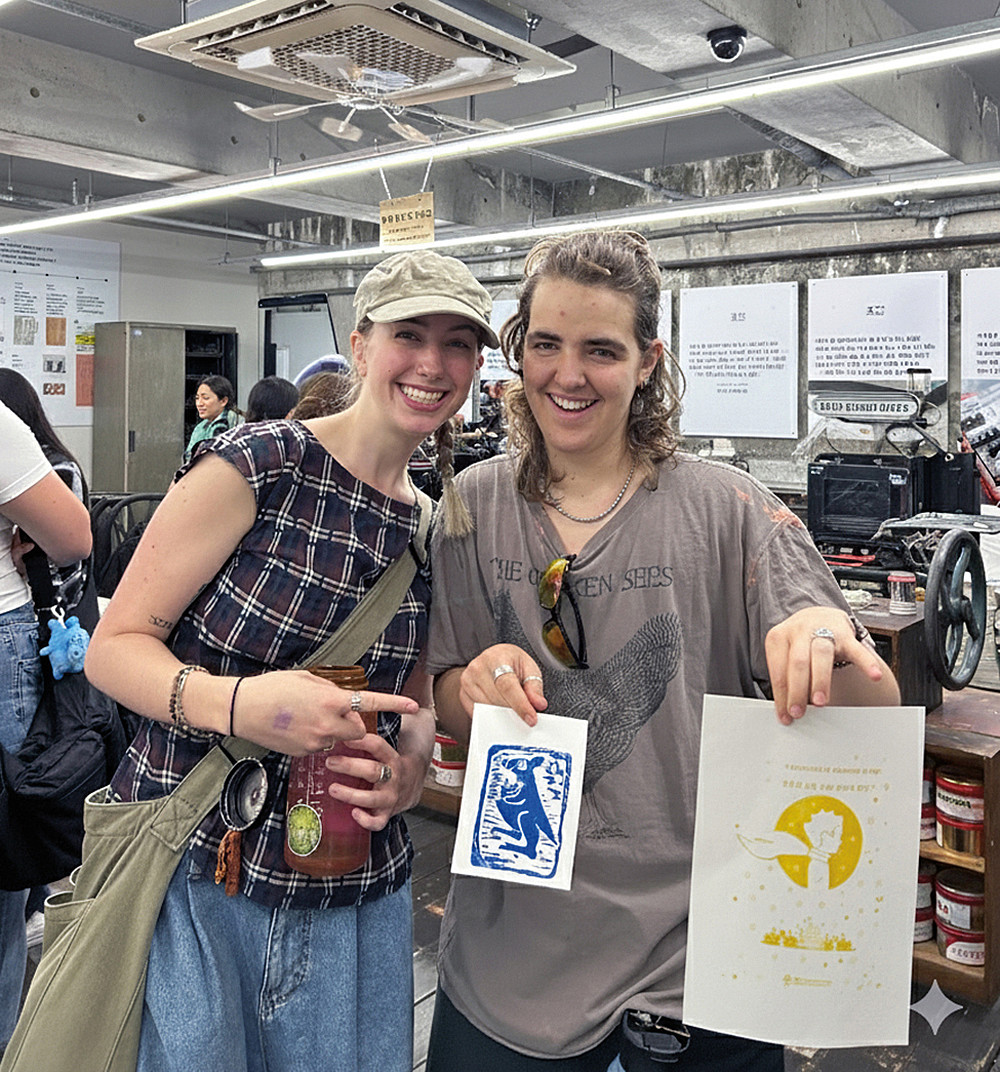 Mattie Harrop BA ’26 and Hazel Wilton-Green BA ’26 at the Book City Letterpress Museum, Paju, South Korea.
 -
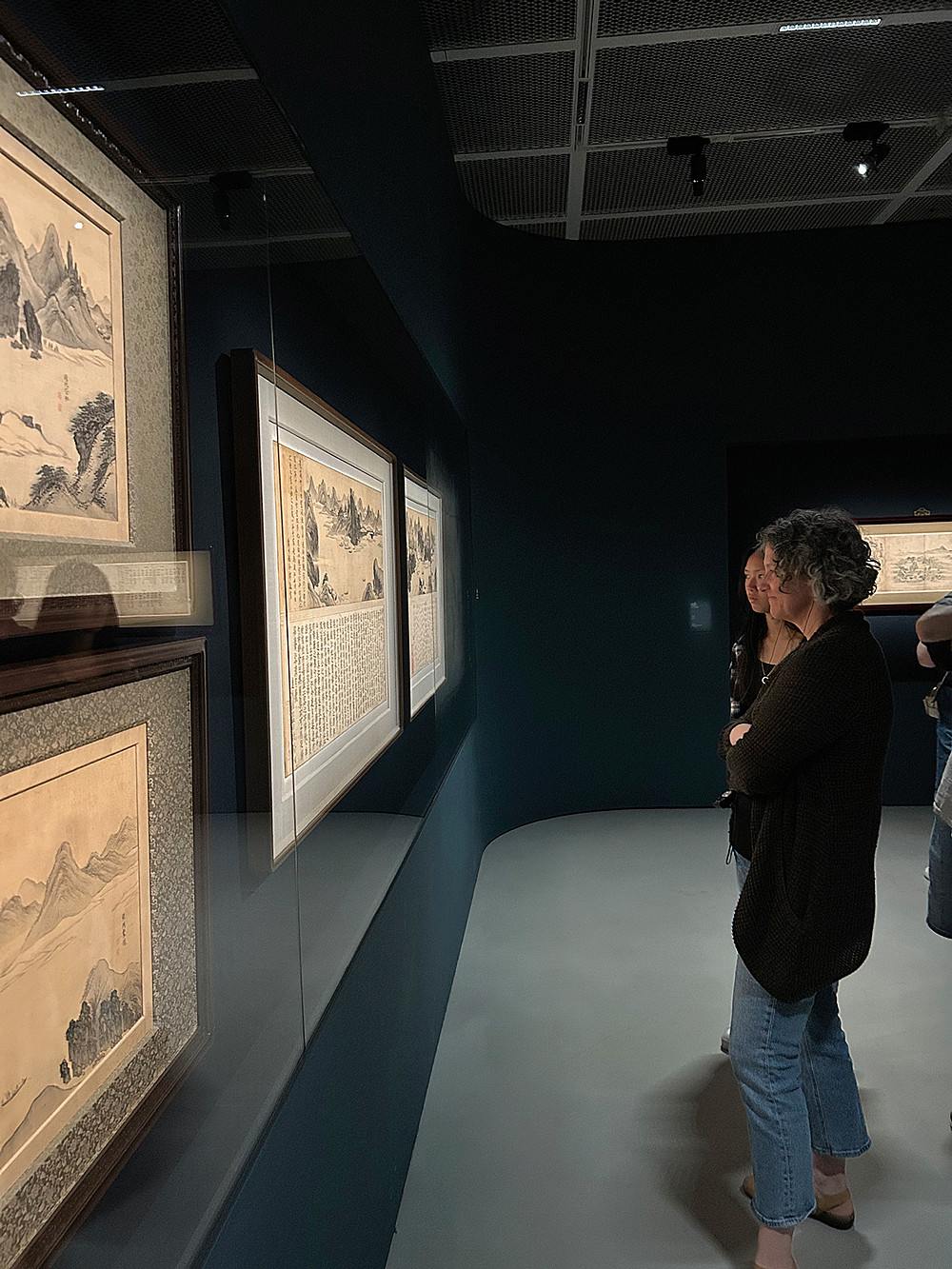 Professor Jessica Starling and Anli Davis BA ’26 at the Hoam Museum of Art, Yongin, South Korea.


Visiting the Seokguram Grotto, built in the 8th century CE in Korea to house a monumental statue of Buddha, left a deep impression that wouldn’t have been the same without taking the classes beforehand, says Declan Cloutier BA ’26, a history major from Chicago.
“We learned in Jessie’s class about the religious significance of the grotto, and then in Dawn’s class we talked about the actual construction and craftsmanship,” he recalls. “Getting to see it, we connected more intimately because we had that deeper understanding and appreciation.”
Because Starling was the only one in the group who spoke Japanese and no one was fluent in Korean, local contacts were essential through their travels. In a pinch, translation apps such as Papago and Google Translate helped ease communication.
Making Connections
While the group visited many noteworthy places, such as the ancient capital of Nara in Japan as well as the demilitarized zone dividing North and South Korea, it was the opportunities to make personal connections that proved to be particularly memorable.
In Seoul, the group got a VIP tour of the Kansong Art Museum, founded in the 1930s to preserve Korean art and identity in the face of Japanese imperialism during the country’s occupation. Making the trip more special was the connection with the private museum’s director, Inkeon Chun BA ’99, a former international student at Lewis & Clark.
“I was thrilled to have my fellow students from Lewis & Clark visit our museum,” says Chun, who gave them a personal tour. Students viewed the museum’s collections as well as a special exhibit of traditional folding fans made of mulberry paper and bamboo, adorned with stunning designs.
Chun vividly recalls his own overseas study program to Vietnam, China, and Mongolia during his undergraduate years and appreciates firsthand how life-changing studying abroad can be. “Having a chance to host students from my alma mater—at the same age I was a long time ago—felt meaningful to me. I hoped to make an impact on their experiences in my hometown. Helping them to experience the rich history and culture of Korea was a pleasure.”
In Japan, some of the students took a side trip to the Kii Peninsula, where they walked sections of the ancient Kumano Kod ¯o pilgrimage route that winds through the mountains. They stayed in the remote seaside village of Kiinagashima, where Starling taught English when she had just graduated from college and was about the same age as her current students. Unaccustomed to tourists, the town welcomed them with open arms, with the newspapers even publishing articles about their visit. During a relaxing weekend, the students stayed at a traditional ryokan (inn) and spent their days beachcombing and their nights stargazing.
The hospitality the group encountered made for one of the program’s more memorable experiences. “At first, the people we met were slightly baffled about why we were there, but they really took us in their care,” says Mayberry. “It felt a little like stepping into a Hayao Miyazaki movie,” she added, referring to the Japanese creator of acclaimed animated films such as Spirited Away.
Mayberry, who has Japanese heritage and is minoring in Japanese language, says hiking the moss-covered trails of Kumano Kod ¯o left a deep impact. “We were following in the footsteps of so many others over the centuries,” she says. “I hope to walk the entire pilgrimage one day.”
For their part, Odell and Starling say they can’t wait to take another group of students in 2027.
“We hoped this program would make the students more sensitive to the complexities of culture,” says Odell. “What I don’t think we anticipated was the students’ capacity for friendship and their openness to making connections with local people everywhere we went. They got to see for themselves that, while people may be separated by nationality and language and religion, those separations can be permeable. The world is more interwoven than one might think.”
-
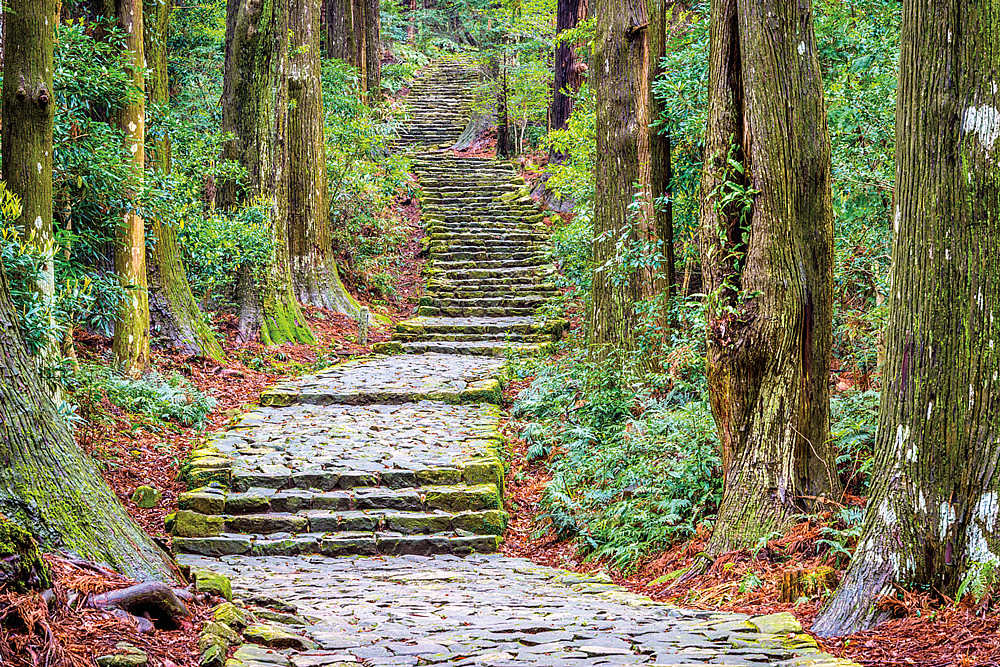 An inviting path along the historic Kumano Kodo pilgrimage route in Japan.Credit: Sean Pavone
 -
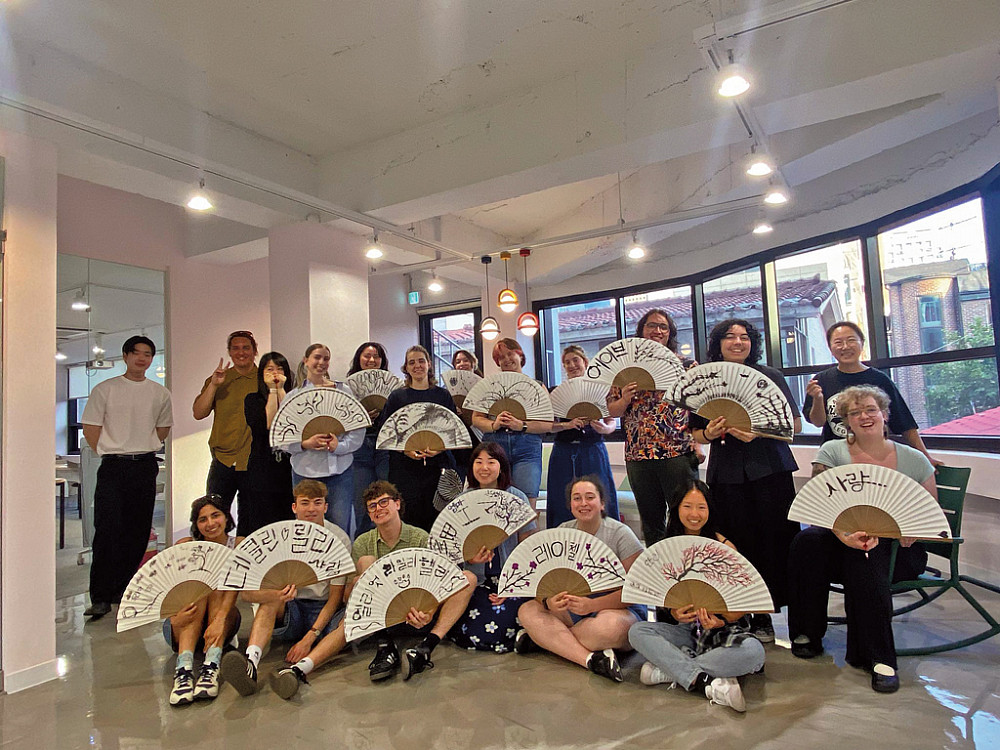 Students proudly display fans they hand-painted at a workshop in Seoul.
 -
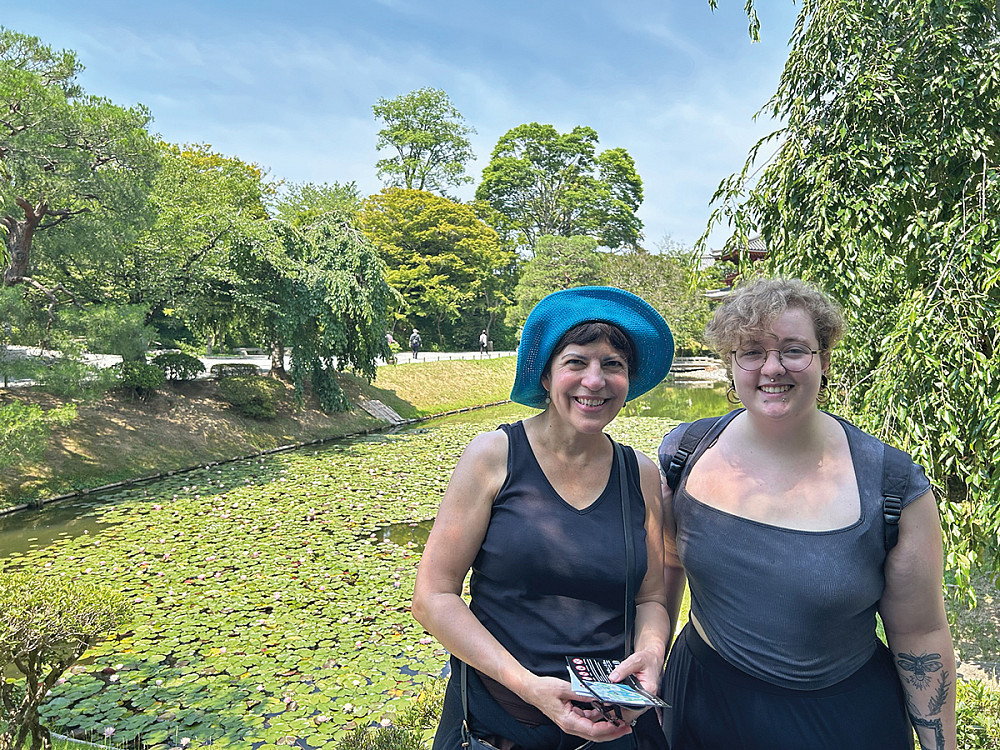 Professor Dawn Odell and Zoe Steele BA ’25 at the gardens of the Byodoin, Uji, Japan.
 -
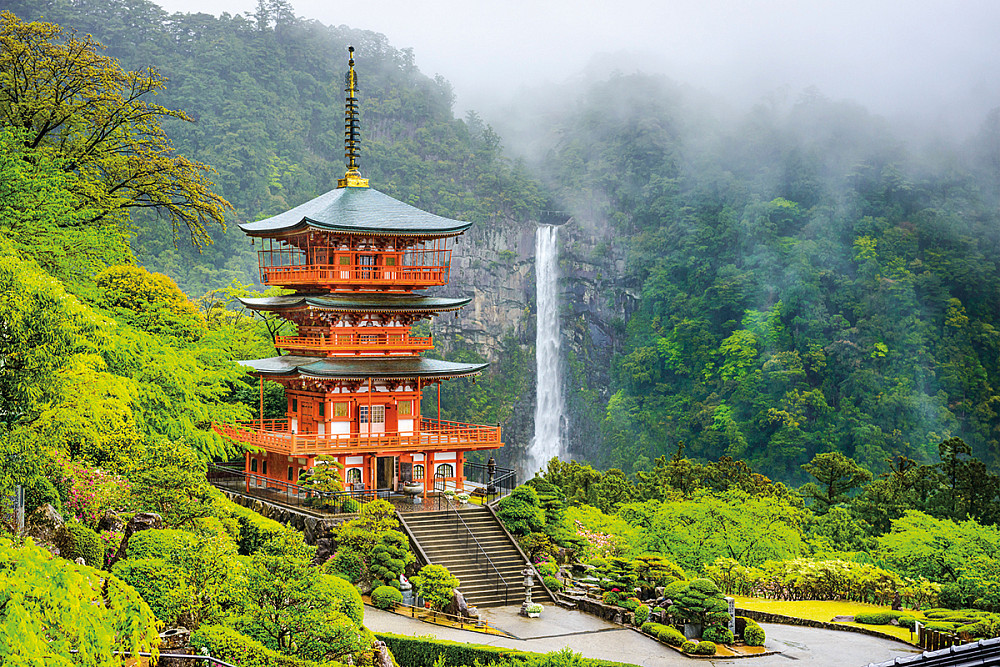 A view of the pagoda at Seiganto Temple and the Nachi falls, Wakayama Prefecture, Japan.Credit: Sean Pavone
 -
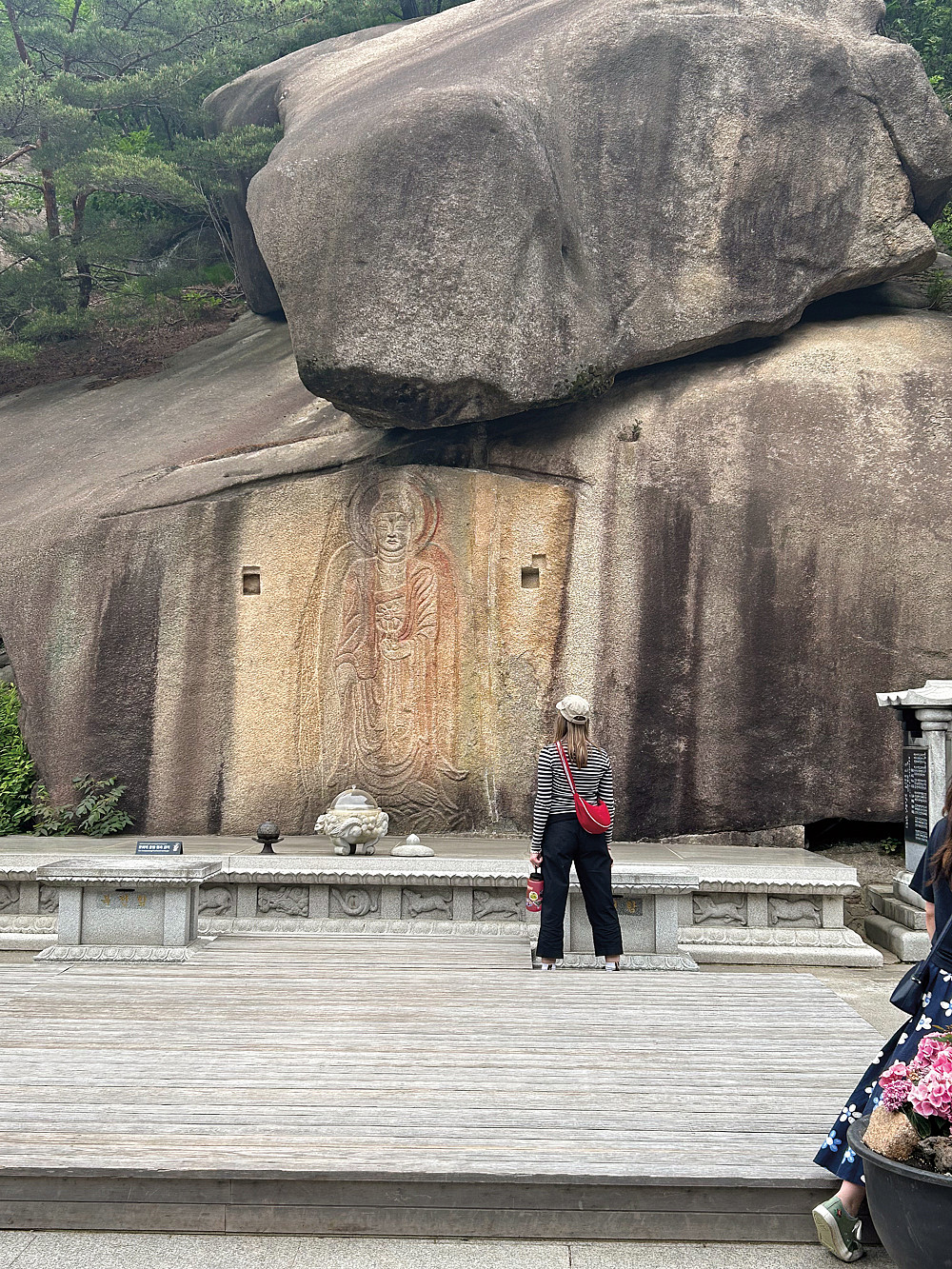 Mattie Harrop BA ’26 at Samcheonsa Temple, Uijeongbu, South Korea.
 -
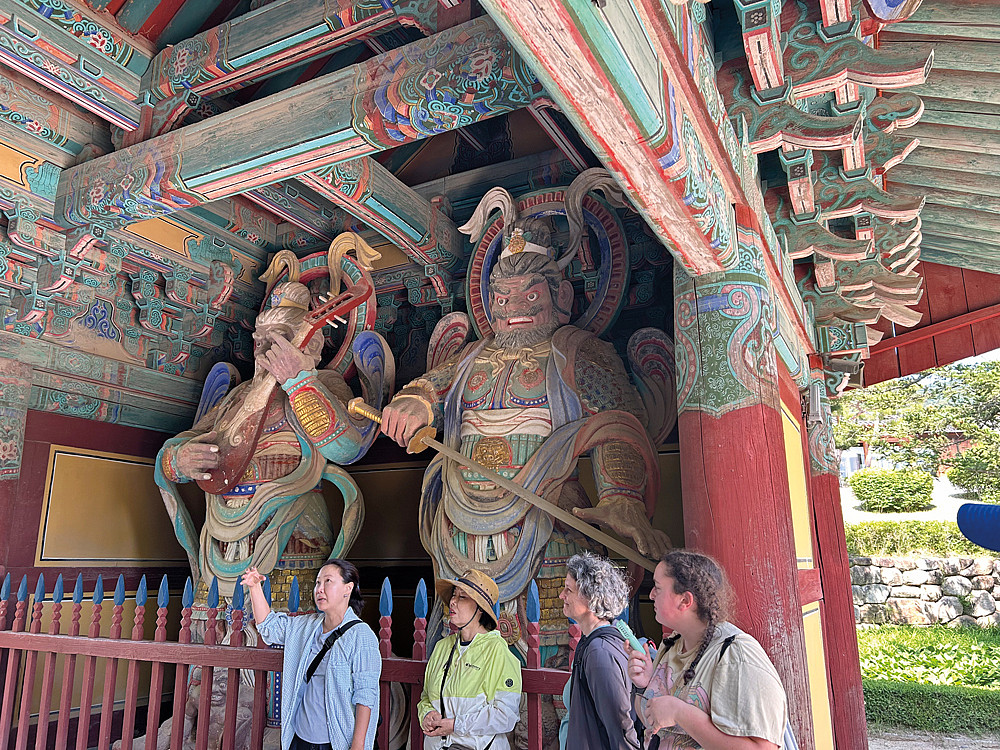 A tour guide shares information about the statues at Bulguksa Temple, Gyeongju, South Korea.


Did You Know?
Overseas study at Lewis & Clark College began in 1962 when five faculty-sponsored programs left Palatine Hill for venues in Chile, England, Japan, Mexico, and Peru. Since then, overseas study has become a core part of Lewis & Clark’s identity, with more than 11,000 students and 275 faculty members participating in more than 800 programs in 68 countries.
Some 60 percent of Lewis & Clark students participate in an overseas or off-campus study program at some point during their time as undergraduates—a significantly higher percentage than most other schools. (Nationwide, about 6 percent of college students study abroad.)
Lewis & Clark faculty lead about a half-dozen programs every year, while others operate through partnerships with select colleges or universities and educational organizations.
Students earn academic credit in the programs, which are typically offered during fall and spring semesters, and can be focused on either language or on academic subjects or geographical areas.
With its new South Korea/Japan offering, Lewis & Clark now features well over 30 established study programs spanning the world. Students can choose to study language on the steppes of Kyrgyzstan, ecology in the sounds of New Zealand, music and art in India, and much more.
The price of participation is tethered to the regular cost of college, plus a small administrative fee, airfare, visas, and any necessary vaccinations. However, participant tuition and fees do not cover L&C’s full costs. Consider making a gift to ensure that these programs are available to future generations of L&C students; visit go.lclark.edu/giving.
More Stories

Cover Story
Tough Questions
How can we address some of today’s most vexing issues? Seven alumni experts share their best ideas.


Feature
GO OTTS!
Capping an intensive collaboration with Portland advertising legends Wieden+Kennedy, Lewis & Clark has unveiled the design of its new River Otter Mascot.

Feature
The Job Market Is Changing. So Are We.
How is Lewis & Clark preparing students for a job market shaped by AI disruption, economic uncertainty, and shifting employer expectations?